







Search Results for: daily drinker beans
Why Does Mandheling Have a Sour Note? Suitable Drinkers, Brewing Methods, and an Analysis of Front Street Golden Mandheling
Indonesian Mandheling is the starting point for many coffee lovers exploring Asian beans, yet some have discovered that it can actually carry a hint of acidity—something closely tied to the wet-hulled process and the roast level. This article covers everything from entry-level daily drinkers to PWN Golden Mandheling, sorting out the flavor sources of Mandheling, the people it suits, and various brewing methods. It also introduces the characteristics of Front Street Indonesian Mandheling, the Front Street Classic Blend, and Front Street PWN Golden Mandheling, helping those new to Indonesian coffee find suitable practice beans and everyday daily drinkers, while also answering the question of why Golden Mandheling sometimes still shows a note of acidity. [more…]
How to Choose Everyday Beans for Pour-Over Coffee? Flavor Characteristics of Eight Classic Producing Regions and Selection Tips
As a crop, coffee's flavor expression has similarities to winemaking—different origins lead to different dominant notes in the cup. Subtle differences in climate conditions and harvest years leave their mark on the coffee beans. Some people prefer the rich, full-bodied Blue Mountain, while others are drawn to the clean, bright Yirgacheffe. With such a dazzling array of coffee beans on the market, how can you pick the one that suits your taste? In fact, as long as you choose the right beans and ensure freshness, you can easily brew a great cup of coffee with a simple pour-over method. This article will focus on eight classic pour-over daily-drinking origins, going through their respective flavor profiles one by one, and providing specific bean-selection references to help coffee lovers find a stable and satisfying choice for everyday drinking. [more…]
How to Choose Beginner Pour-Over Coffee Beans? A Guide to Five Everyday Single-Origin Beans and Their Flavor Profiles from Front Street Coffee
For friends who are just getting into pour-over coffee, the dazzling array of single-origin beans on the market often leaves them unsure where to start. Specialty coffee emphasizes the unique flavors bestowed by a region's microclimate and soil, but if beginners aren't yet familiar with the connections between origin, processing method, and flavor, they might as well start with entry-level everyday pour-over beans and gradually build up their palate. This article uses Front Street Coffee's everyday-tier single origins as examples to outline five pour-over coffees suitable for beginners: Africa's Yirgacheffe, the Americas' Colombia Huila and Costa Rica Tarrazu, Brazil Cerrado, and Asia's wet-hulled Mandheling, plus a Chinese Yunnan small-bean variety. By understanding each one's washed or wet-hulled process, flavor profile, and mouthfeel characteristics, beginners can find an entry point that suits them. [more…]
Which region in Panama produces the most outstanding Geisha coffee? A daily-drinker Geisha flavor and price breakdown
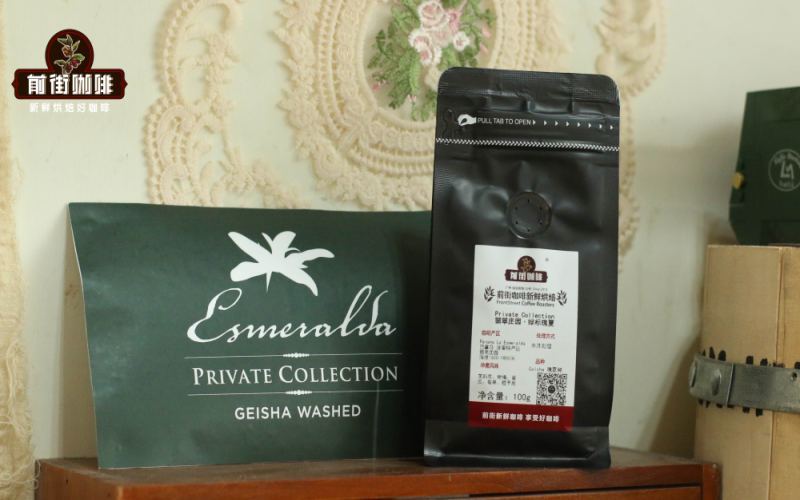
The Geisha variety from Hacienda La Esmeralda, with its stunning floral and fruity notes, completely changed the coffee world's pursuit of flavor, shifting from rich and full-bodied to fresh floral and fruity aromas. However, authentic Geisha prices remain persistently high, making it difficult for many enthusiasts to enjoy it as an everyday drink. This article will guide you through the origins and flavor characteristics of Geisha, and recommend three everyday-drinker Geisha coffees that balance quality and value, including Front Street Coffee Boquete Geisha, Butterfly Blend, and Strawberry Candy Blend, with detailed analysis of each one's flavor profile and suitable occasions. It also shares practical tips for buying Geisha coffee, helping you find the cup that suits you best within your budget. [more…]
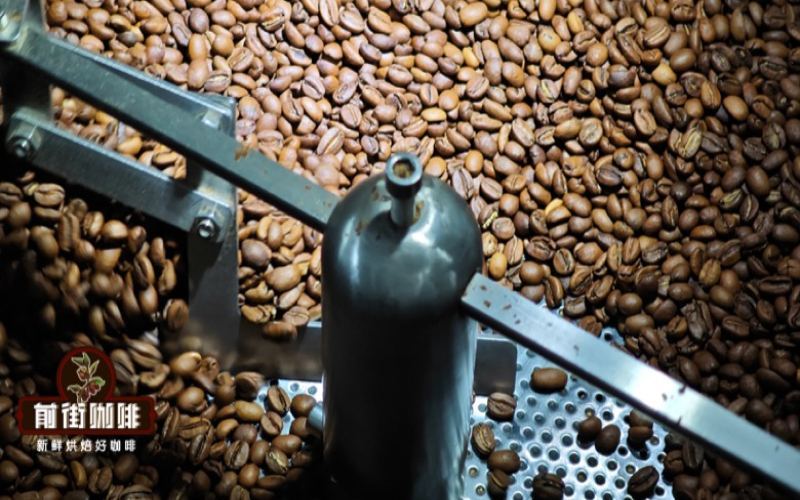
How to Choose Blended Coffee Beans: A Bean Selection Guide for Everyday Drinkers
When you first start buying beans, there's no need to chase a wide range of flavors all at once. A more practical approach is to start with a bean that has a clear flavor profile and works well across different brewing methods, then keep your dose, grind, and water temperature fixed while you observe how the entry, sweetness, and finish change. This way you can build your own taste reference. For espresso extraction, the key is dose [more…]
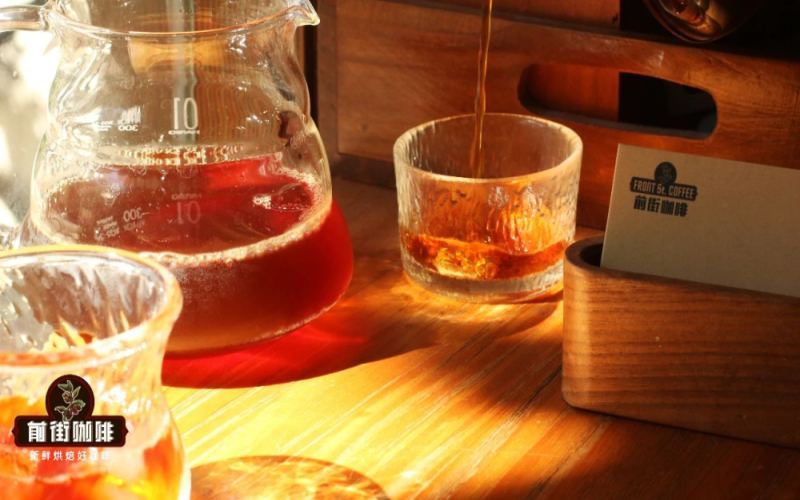
Exploring Costa Rica's Tarrazú and Hacienda La Roca Blueberry: A Complete Guide to the Flavors and Brewing of Geisha, Caturra, and Catuai Varieties
Costa Rica is a coffee origin that cannot be overlooked on the Central American coffee map, and Front Street Coffee's Costa Rica series has always been known for being "sweet as honey." This article starts with the Blueberry Coffee from the Giant Stone Estate, taking you through the terroir characteristics of the Brunca region, the meticulous process of anaerobic heavy honey processing, and an in-depth analysis of the main varieties of the Tarrazú region—the differences between Caturra and Catuai, as well as the performance of Geisha in Costa Rica. Whether you are looking for a daily drinker with a prominent sweetness or want to understand the flavor differences between varieties, this article will give you clear answers. Finally, Front Street's standard brewing parameters are included, so you can recreate a great cup of coffee at home. [more…]
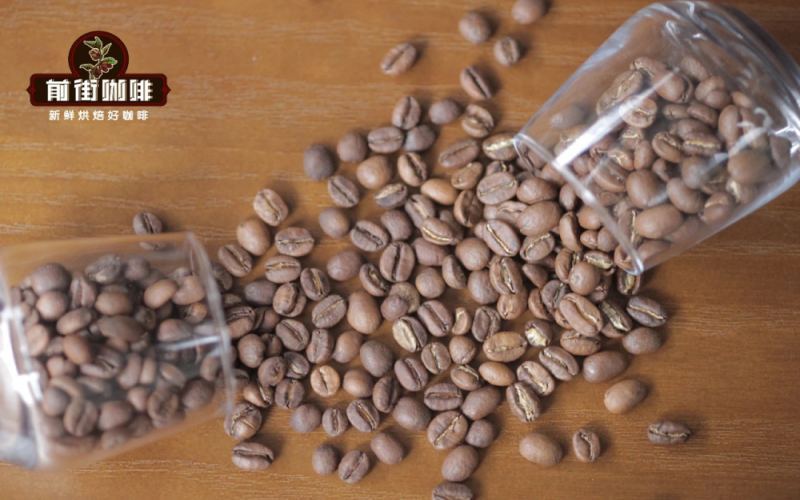
Yirgacheffe Washed Bean Flavor Analysis: Getu Getu Cooperative Characteristics and Pour-Over Parameters Explained
The Yirgacheffe region in Ethiopia is famous for its bright acidity and jasmine aroma, and the washed processing method pushes its clean and transparent characteristics to the extreme. This article starts with the geographical environment and flavor definition of Yirgacheffe, breaks down the complete steps of the washed processing method in detail, and explains the grading system for Ethiopian green coffee beans. At the same time, Front Street Coffee highlights its washed Yirgacheffe Gotingding Cooperative, Kochere, and everyday bean series, sharing the brewing parameters and flavor performance under medium-light roasting, helping coffee lovers build a clear understanding of washed Yirgacheffe beans. [more…]
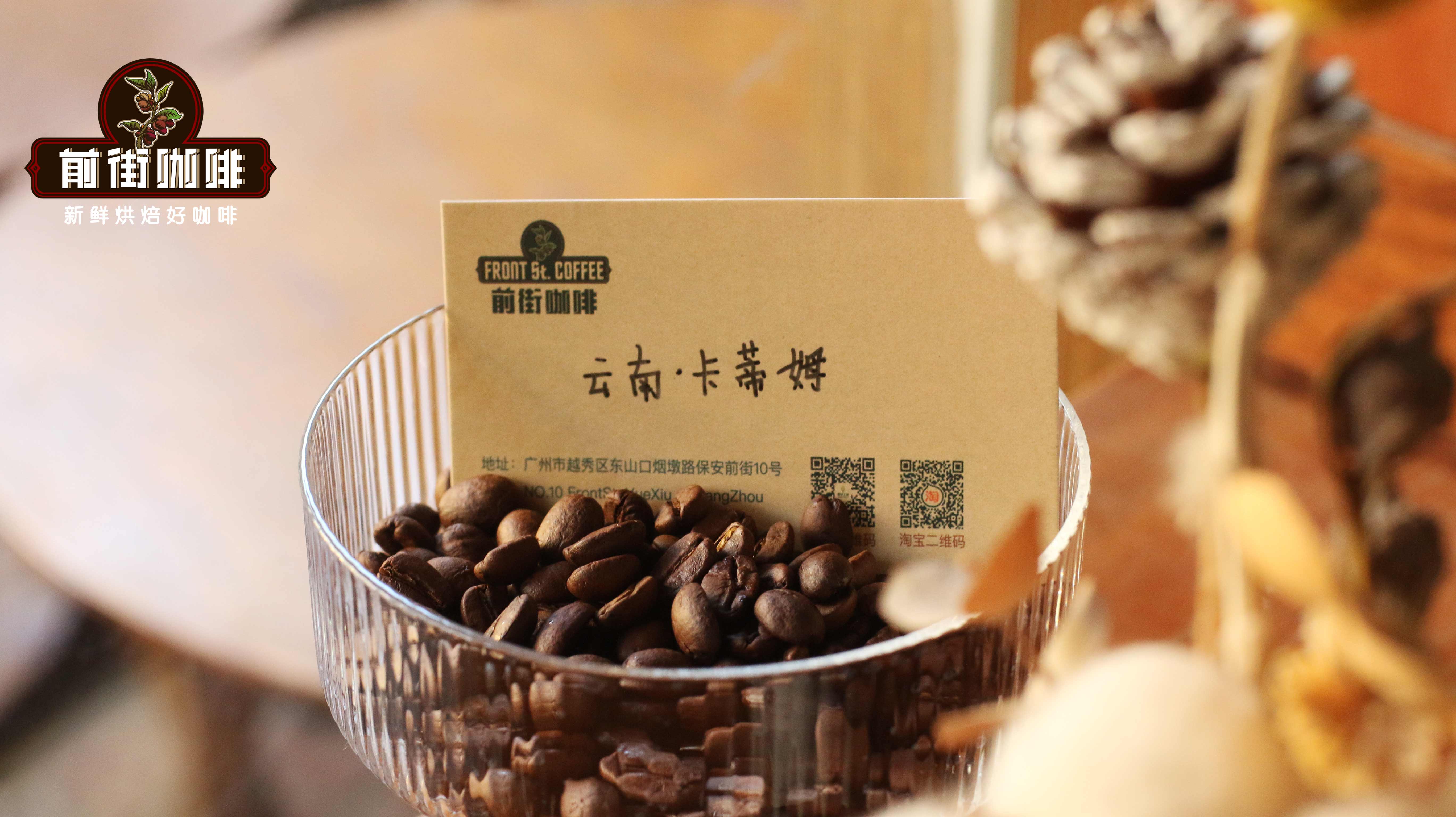
Yunnan Typica vs. Catimor Pour-Over Comparison: A Detailed Guide to Variety Characteristics, Growing Regions, and Brewing Parameters
Yunnan is China's most important coffee-producing region. Most Yunnan beans commonly found on the market are of the Catimor variety, while Typica is an old variety with a long history. This article starts with the washed Yunnan small-bean (Catimor) and the 2013 sun-dried Typica from Front Street Coffee's everyday-drinking series, systematically sorting out the origins and differences of the two major varieties, introducing the terroir characteristics of the four major producing regions of Baoshan, Dehong, Pu'er, and Lincang, and sharing the principles of the two processing methods, washed and sun-dried. On this basis, Front Street provides a pour-over recipe tailored to the balanced tonality of Yunnan coffee, including specific parameters such as a V60 dripper, 88°C water temperature, and a 1:15 coffee-to-water ratio, helping enthusiasts brew a layered cup interweaving notes of nuts, brown sugar, and plum acidity. [more…]
A Guide to Recommending Delicious Espresso Beans: A Bean Selection Method for Everyday Drinkers
When you first start buying beans, you don't need to chase a wide range of flavors all at once. A more practical approach is to first choose a bean with a clear flavor profile and high compatibility with different brewing methods, then lock in your dose, grind, and water temperature, and observe how the entry, sweetness, and finish change. This way you can build your own taste reference. For espresso extraction, the focus is on the dose [more…]
Dark Roast Coffee Bean Recommendations: A Bean Selection Method for Everyday Drinkers
When you first start buying beans, you don't need to chase a wide range of flavors all at once. A more practical approach is to start with a bean that has a clear flavor profile and a high degree of brewing-method compatibility, then lock in your dose, grind, and water temperature, and observe how the entry, sweetness, and finish change. This way you can build your own taste reference. Dark roasting pushes the flavor toward [more…]
Espresso Machine Medium-Roast Coffee Bean Recommendations: A Bean Selection Method for Everyday Drinkers
When you first start buying beans, there's no need to chase a wide range of flavors all at once. A more practical approach is to start with a bean that has a clear flavor profile and is highly compatible with different brewing methods, then lock in your dose, grind, and water temperature, and observe how the entry, sweetness, and finish change. This way you can build your own taste reference. For espresso extraction, the focus is on dose [more…]
Delicious Americano Coffee Beans Recommendations: A Bean Selection Method for Everyday Drinkers
When you first start buying beans, you don't need to chase a wide range of flavors all at once. A more practical approach is to first choose a bean with a clear flavor profile and high compatibility with different brewing methods, then lock in your dose, grind, and water temperature, and observe how the entry, sweetness, and finish change. This way you can build your own flavor reference. Pour-over flavor is mainly determined by the origin. [more…]
Recommendations for Espresso Beans with Lots of Crema: A Bean-Selection Method for Everyday Drinkers
When you first start buying beans, you don't need to chase a wide range of flavors all at once. A more practical approach is to first choose a bean with a clear flavor profile and high compatibility with different brewing methods, then lock in your dose, grind, and water temperature, and observe how the entry, sweetness, and finish change. This way you can build your own taste reference. For espresso extraction, the focus is on the dose [more…]
How to Choose SOE Single-Origin Coffee Beans: A Bean Selection Method for Everyday Drinkers
When you first start buying beans, you don't need to chase a wide range of flavors all at once. A more practical approach is to start with a bean that has a clear flavor profile and high brewing-method compatibility, lock in your dose, grind, and water temperature, then observe how the entry, sweetness, and finish change. This way you can build your own taste reference. In espresso extraction, the focus is on dose. [more…]
Recommendations for Coffee Beans with Strong Sweetness: A Bean Selection Method for Everyday Drinkers
When you first start buying beans, there's no need to chase after a wide range of flavors all at once. A more practical approach is to first choose a bean with a clear flavor profile and high compatibility with different brewing methods, then lock in your dose, grind, and water temperature, and observe how the entry, sweetness, and finish change. This way you can build your own flavor reference. Pour-over flavor is mainly determined by the origin. [more…]
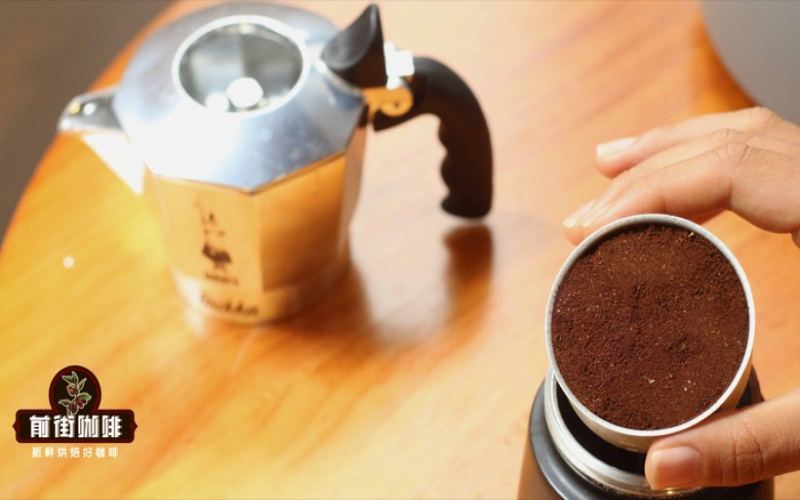
Recommended Coffee Beans for Moka Pot: A Bean Selection Method for Everyday Drinkers
When you first start buying beans, you don't need to chase a wide range of flavors all at once. A more practical approach is to start with a bean that has a clear flavor profile and pairs well with a variety of brewing methods, then lock in your dose, grind, and water temperature and observe how the entry, sweetness, and finish change. This way you can build your own taste reference. The moka pot relies on steam pressure. [more…]
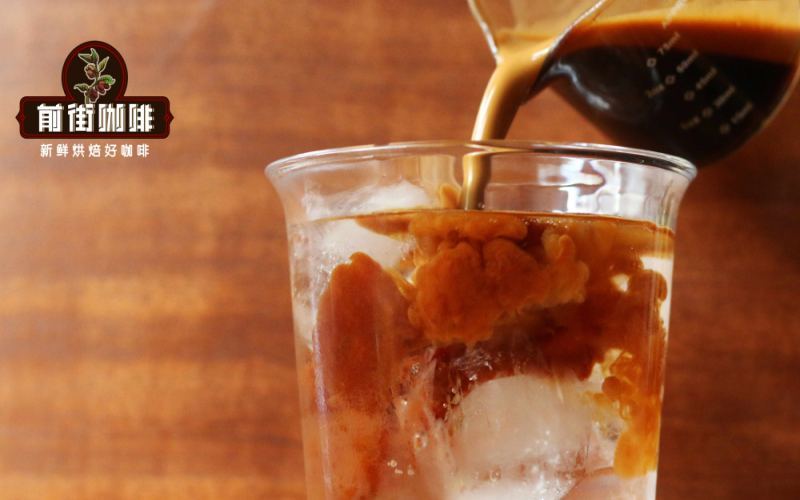
The Complete Guide to Summer Americano Coffee: Flavor Characteristics, Extraction Ratios, and Coffee Bean Recommendations for Americano and Milk Coffee
On a scorching summer day, iced Americano becomes the top choice for many coffee lovers. Americano may seem simple, consisting only of espresso and water, yet it is the ultimate test of a barista's extraction skills and the best way to showcase the true character of the coffee beans. Starting from the flavor characteristics of Americano, this article explains in detail the brewing ratios for hot and iced Americano, and addresses the different needs of Americano versus milk-based lattes by recommending three espresso blends—Front Street Classic Blend, Dark Cocoa Blend, and Strawberry Candy Espresso Blend—as well as three single-origin SOE everyday beans: Queen's Estate, Bird of Paradise, and Mozart, helping you find the one that suits your daily drinking. [more…]
Cocoa-Flavored Moka Pot Coffee Bean Recommendations: A Bean Selection Method for Everyday Drinkers
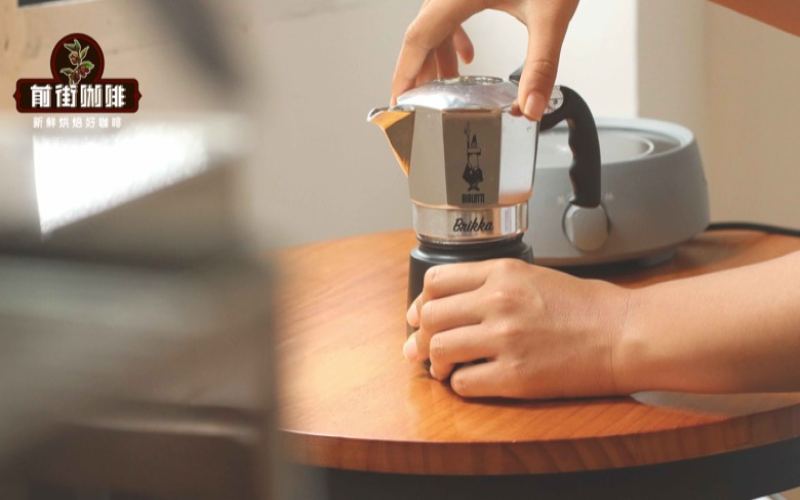
When you first start buying beans, you don't need to chase a wide range of flavors all at once. A more practical approach is to first pick a bean with a clear flavor profile and high compatibility with different brewing methods, then lock in your dose, grind, and water temperature, and observe how the entry, sweetness, and finish change. This way you can build your own taste reference. The moka pot works by steam pressure [more…]
Top 10 High-Value Home Coffee Beans: A Repurchase Guide for Pour-Over and Espresso Daily Drinkers
Faced with the dazzling array of coffee beans on the market, beginners often find themselves stuck in a dilemma of choice: they spend a high price on so-called "champion beans," only to brew them and taste nothing special. Rather than chasing expensive, rare labels, it's better to start with a bag of everyday staple beans that are both tasty and affordable. This article selects ten coffee beans suitable for home use, covering two major categories: espresso blends and single-origin pour-over. There are both rich, full-bodied, crema-heavy types and specialty beans with bright floral and fruity notes. Whether you're a latte lover or a pour-over enthusiast, you'll find in this list the one worth buying again and again. [more…]
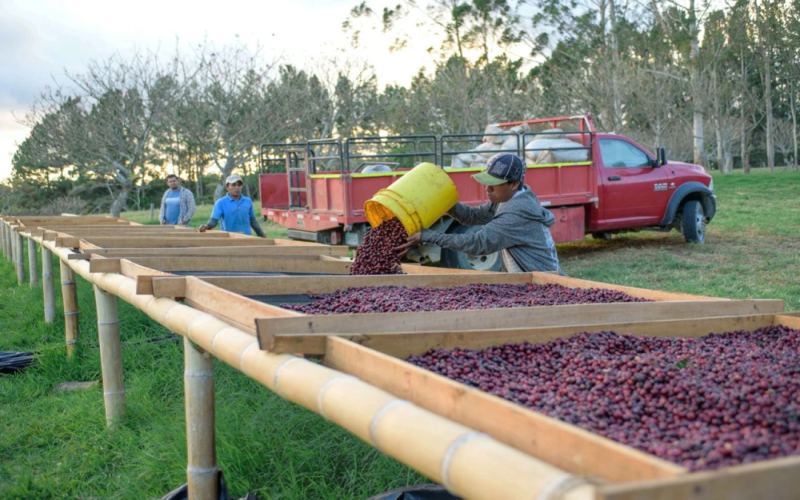
A Comprehensive Analysis of Arabica Coffee Beans: From Origins and Spread to Front Street Coffee's Seven Major Producing Regions' Daily Staple Bean Recommendations
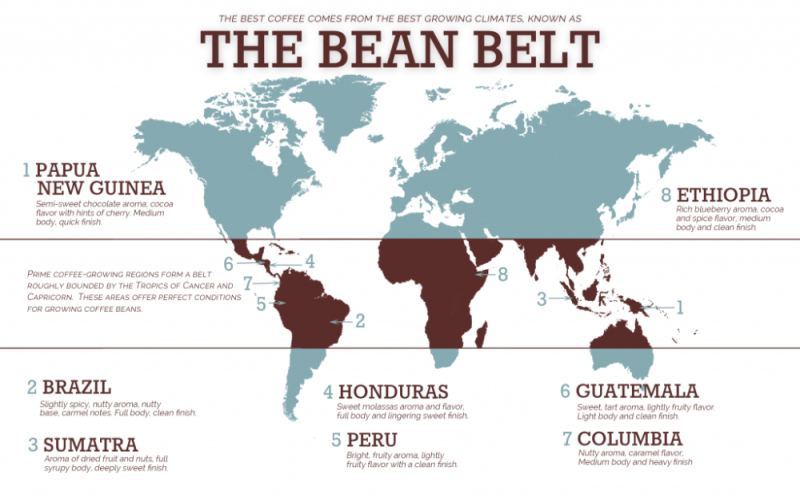
Arabica coffee beans have always held a core position in both commercial and specialty coffee thanks to their outstanding aroma and acidity. Their cultivation span stretches across multiple producing regions in South America, Central America, Africa, and Asia. Tracing their history, they were first used as medicine by Islamic monks, and only in the 13th century did the practice of roasting them for drinking develop. After spreading to Europe via the Arab world in the 16th century, they gradually became popular worldwide. Arabica coffee began spreading around the world from the mid-18th century, and most existing varieties originate from Typica, evolving into distinctive new varieties as they adapted to different climates and terroirs. In the 19th century, a large-scale outbreak of leaf rust caused massive coffee tree deaths, prompting breeders in the mid-20th century to begin developing disease- and pest-resistant varieties. Today, the Arabica family has more than a hundred varieties. Altitude has a significant impact on flavor, and this article will also introduce seven daily-drinker beans from key producing regions selected by Front Street Coffee. [more…]